
You have finished the story. You have read it aloud, cut the paragraph you loved most, and changed the ending twice. Now comes the part that trips up more writers than any draft: getting the thing in front of an editor. Submitting to UK literary magazines is not mysterious, but it rewards care. Most rejections are avoidable ones — a missed word count, a story sent outside the reading window, an email that reads like a shrug. Here is how to give your work its best chance.
Read the guidelines properly
Every magazine publishes guidelines for a reason. They tell you the word count, the reading period, the formatting, whether the magazine wants a bio, and whether it accepts work that has appeared elsewhere. Read them twice, then read them again with your story open beside you.
Things to check before you send anything:
- Word count. If the limit is 4,000 words, a 5,200-word story is not a near miss. It is a no.
- Reading windows. Plenty of UK magazines — print journals especially — open for submissions for a few weeks or months a year and close the rest of the time. Sending in July to a magazine that reads in January wastes everyone's time.
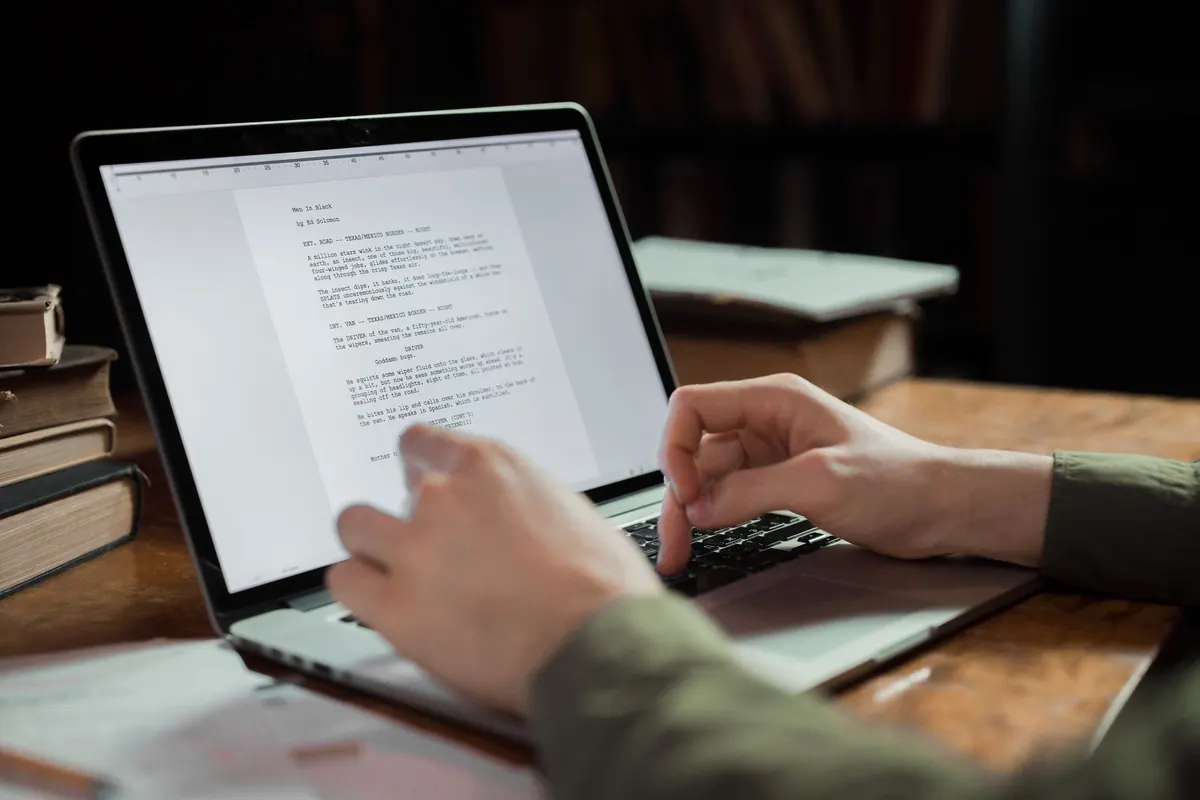
- Formatting. Most editors ask for double spacing, a sensible font, numbered pages and your name on the document. Some want files, some want text pasted into the body of an email.
- Genre and taste. Read at least two recent issues, or the online archive. You will learn more from one story the editor chose than from any amount of advice.
- Payment and rights. Good magazines state what they pay and what rights they take. If the terms are unclear, ask before you sign anything. Anything beyond first publication rights deserves a careful read, and if you are unsure, take proper advice before agreeing.
Write a cover letter that does its job
The cover letter is not the place to prove you are a writer. It is admin with manners: it tells the editor what is attached, how long it is, and who you are. That is almost the whole job.
Keep it to a short paragraph or two. Address the editor by name if the guidelines give one; otherwise, a simple "Dear Editors" is fine. State the story's title and word count, mention one or two publication credits if you have them, and thank them for their time. If the magazine asks for a bio, give three or four sentences of plain fact.
What to leave out: a summary of the plot, an explanation of what the story means, apologies for your own nerve, and any claim that this is the best thing they will read all year. Editors read hundreds of these. Clarity reads as confidence. If you have no credits yet, say nothing about it and let the story speak. Nobody rejects a good story because the letter was modest.
A quick template you can adapt
Dear Editors,
Please find attached "Title", a short story of 3,100 words, for consideration in your next reading period. My work has appeared in [magazine] and [magazine]. Thank you for your time — I look forward to hearing from you.
Yours sincerely,
[Name]
That is enough. Twelve lines of plot summary will not rescue a story, and a short letter will not sink one.
Understand simultaneous submissions
A simultaneous submission means sending the same story to more than one magazine at once. For most writers, it is the only sane way to work. Response times at UK magazines commonly run from a few weeks to several months, and waiting half a year on a single submission is a slow way to build a writing life.
The rules are straightforward. Most magazines accept simultaneous submissions, and many say so in their guidelines — but some do not, and you should respect that. Where it is allowed, submit widely, but always with the same discipline:
- Keep a record. A simple spreadsheet works: story title, magazine, date sent, expected response time, outcome.
- Withdraw immediately when accepted. The moment another magazine says yes, email the others, politely, and take the story out of consideration. Do not wait for replies to come in first.
- Don't overdo it. Five or six well-chosen magazines is sensible. Sending the same story to thirty at once makes withdrawal a chore and looks careless.
- Watch for exclusivity. If a magazine asks for exclusive consideration or first refusal, that is a choice to make deliberately, not by accident.
Withdrawing without burning bridges
A withdrawal note takes two sentences: thank them, say the story has been accepted elsewhere, and ask them to remove it from consideration. Editors understand. Publishing is a small world, and the writer who withdraws promptly and politely is remembered kindly.
Response times, rejections and the long game
Some magazines reply in days. Others take six months, and a few never reply at all — if the guidelines say no response means no, believe them and move on. Track your submissions so nothing sits idle, and send each story out again the week it comes back.
Most rejections will be brief and unsigned. That is not a judgement on you or your writing; it usually means the story did not fit the issue, or the editor had four hundred stories and room for twelve. A form rejection tells you almost nothing. When a rejection comes with a note, or an invitation to send something else, take it seriously — that is a real signal.
One habit helps more than any other: after three or four rejections of the same story, read it again with fresh eyes. Sometimes the piece needs one more revision. Sometimes it simply needs the right magazine, and the answer is to send it somewhere else without touching a word.
Five things to do this week
- Pick three UK magazines you genuinely enjoy reading, and note their reading periods.
- Check one story against their word counts and formatting rules.
- Write a four-line cover letter and save it as a template.
- Start a submission tracker, even if it is a page in a notebook.
- Send the story out — and start writing the next one while you wait.
Submission is a craft in itself, and like any craft it gets easier with repetition. Learn the guidelines, keep the letter short, track everything, and treat each rejection as a step rather than a verdict. The writers who get published are not always the most talented in the slush pile. Very often, they are simply the ones who kept sending work out.
Photo: Ron Lach / Pexels